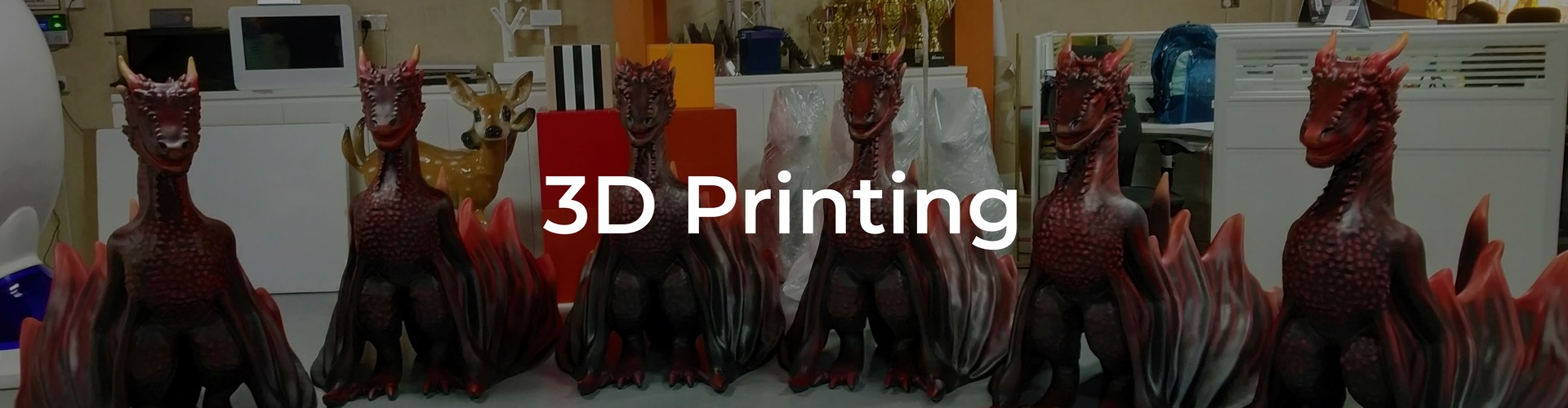
3D printing has come a long way since its early days. It is no longer limited to just plastic models or simple tools. Today, 3D printing in Riyadh is being used in industries like healthcare, construction, fashion, and even food. These changes are made possible by new materials and improved printing methods that make the process faster, more accurate, and more useful for different needs.
New Types of Materials:
One of the most exciting changes in 3D printing is the variety of materials that can now be used. In the past, printers mostly used plastic. Now, they can work with metal, ceramic, wood blends, and even materials that change shape with heat or light. This opens the door for many new uses.
For example, in the medical field, researchers are using special bio-materials to print parts that work well with the human body. In construction, companies are experimenting with concrete mixtures that dry quickly and are strong enough for full-sized buildings.
Better Printing Techniques:
The way things are printed has also improved. Older printers could only create simple shapes with layers stacked on top of each other. Newer techniques allow for more detailed objects with smoother finishes and stronger parts.
Some machines can even print different materials in one object, which means a single item can have both soft and hard sections. This is useful in products like running shoes, tools, or even robots.
Speed and Precision Advancements:
Another area where 3D printing has improved is in speed and accuracy. Printers now build objects much faster than before, and the final results are cleaner and more polished. This means less time spent on finishing or fixing printed parts. Designers can now test ideas quickly and move from concept to real object in a short time. This is helpful in industries where saving time leads to lower costs and faster progress.
The Future of 3D Printing:
As more people and companies explore what 3D printing can do, new ideas will continue to grow. With better materials and smarter machines, the process will become more common in daily life. From printing clothes to helping fix broken bones, the future of 3D printing looks bright and full of possibilities.