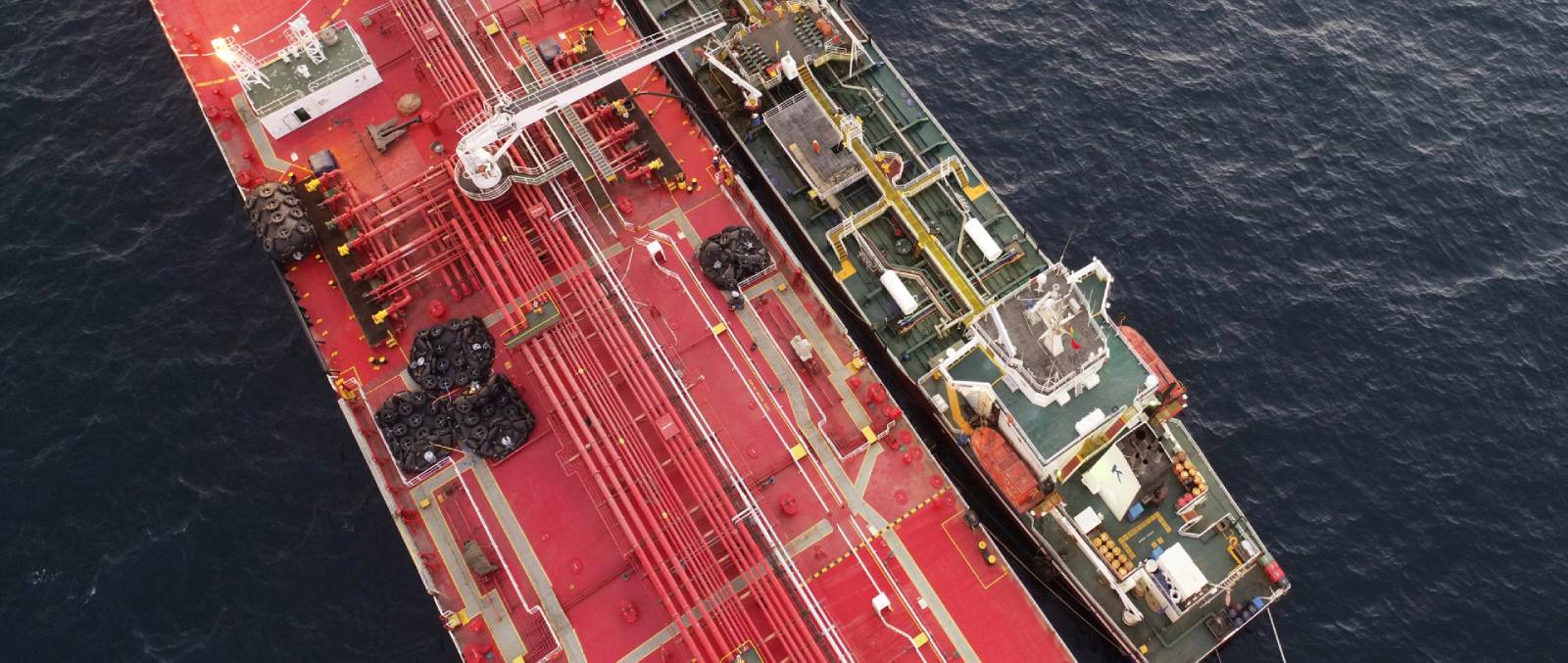
The downstream sector covers everything that happens after oil and gas are produced. This includes refining, processing, selling, and distributing fuel and other products. The downstream oil and gas industry touches many parts of daily life, from the fuel in your car to the plastics used in packaging.
As simple as that may sound, this part of the industry faces many ups and downs.
Dealing with Price Changes:
One of the biggest challenges in this industry is dealing with price swings. The cost of crude oil can go up or down quickly, and that affects profits for refineries and retailers. When prices change too often, it can be hard for companies to plan ahead or offer steady prices to customers. This creates uncertainty, especially for smaller businesses.
Meeting New Rules and Standards:
Governments across the world are placing more rules on how oil and gas products are made and used. These rules are often meant to reduce pollution or improve safety. While following new standards is a good thing, it also means companies must spend more on equipment, training, or new processes. Adapting to these changes takes time and money.
Finding and Keeping Skilled Workers:
Running a refinery or fuel distribution center takes skilled people. As older workers retire, companies often have trouble finding younger people with the right training. There is a need to attract fresh talent who can work with both traditional machines and modern technology. Without the right staff, operations can slow down or face more errors.
Using Technology to Improve Operations:
One area with a lot of promise is technology. Many companies are now using sensors, software, and real-time data to improve how they refine and distribute products. These tools help spot problems faster, cut waste, and make better use of raw materials. When used well, technology can lower costs and improve output at the same time.
Growing Demand in New Markets:
While some parts of the world are using less oil, others are growing fast. Countries in Asia, Africa, and South America are building more roads, factories, and homes, and that means more fuel use. This gives companies in the downstream sector a chance to expand into new markets where demand is rising.